
Editor’s note
The Bench in the Park
James, Startup founder
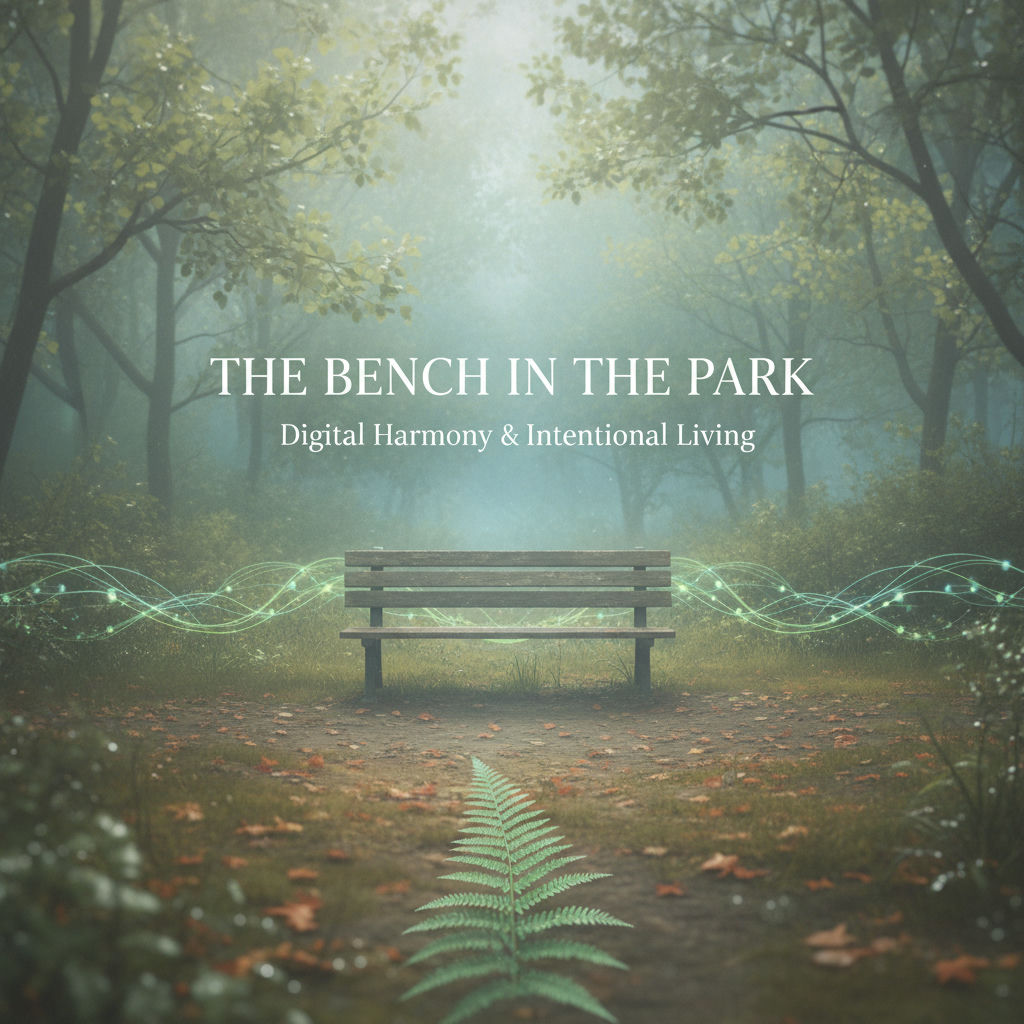
There is a bench in his neighbourhood that nobody notices. Not scenic — wood, some trees, grass. He found it on an evening when he was too fried to go home, and sat with no plan: no podcast, no phone.
His brain resisted for about two minutes. What is the point of this. Then light through leaves, and wind he normally misses under headphones. Five minutes later he felt clearer, as if someone had wiped grime off a window.
What is happening underneath
Cities ask for directed attention constantly — filtering noise, tracking traffic, reading signs. Natural settings hold attention gently instead, without demanding anything, which lets the tired system recover. Rachel and Stephen Kaplan called this soft fascination.
What the research says
MaryCarol Hunter's 2019 study measured this practically: participants took short outdoor breaks of their own choosing, and saliva testing showed cortisol dropping most efficiently between twenty and thirty minutes. Mathew White's large 2019 analysis of UK data found around 120 minutes of nature contact a week associated with better wellbeing. Five minutes on a bench is below both thresholds — and still more than nothing, which is the relevant comparison on a bad evening.
What you might try
Find the unremarkable green place nearest to you and sit there once this week with nothing in your ears.
Where is your nearest bench that nobody owns?
A question to take with you
Where's your nearest bench that nobody owns?
Want to notice this in your own day?
A daily check-in takes about 40 seconds. Free to start, no card.
Try the free check-in